
Future Ready partners with HvA and Stby to explore how robots can support students with autism

Pollen Robotics
What we're doing and why
The project is called "Exploring design patterns for robot interaction co-created with autistic students." It builds directly on our work with Sue, the digital self-reflection tool we developed with the Autism Community at HKU Utrecht as part of the European CommuniCity project. Sue showed that you can support self-reflection without being instructive or authoritative. But Sue lives on a screen. This new project asks: what changes when that interaction moves to a robot? When there's a physical presence, a voice, movement? Small design choices like timing, tone, and who initiates the conversation turn out to be the ones that matter most for students with autism.
Why we're not building a robot (yet)
Most research on social robots and autism focuses on young children in therapeutic settings. There's very little guidance on what works in education, especially for young adults. The context is completely different. Tight schedules, implicit authority, time pressure. A prompt that feels supportive in therapy can feel directive in a classroom. So instead of jumping to a product, we're focusing on something that comes before that: design patterns. Recurring interaction qualities described from the student's perspective. What feels supportive. What feels intrusive. Where the boundaries are. Patterns that can inform future robots, AI tools, or any support system in education.
Designed with, not for
Students with Autism will be our co-designers throughout the entire project. Not testers at the end. Through co-creation sessions, low-fidelity prototyping with robot platforms like Reachy Mini, design workshops with role-play and scenarios, and collective reflection sessions, the students shape every insight. We're working on this together with Lamia Elloumi (HvA, research lead) and Paulien Kreutzer (Stby, design synthesis). The project is funded through the COECI call and runs within HvA's Media, Technology and Society program. We'll share what we learn along the way. Would you like to contribute in any way? Feel free to get in touch with us.
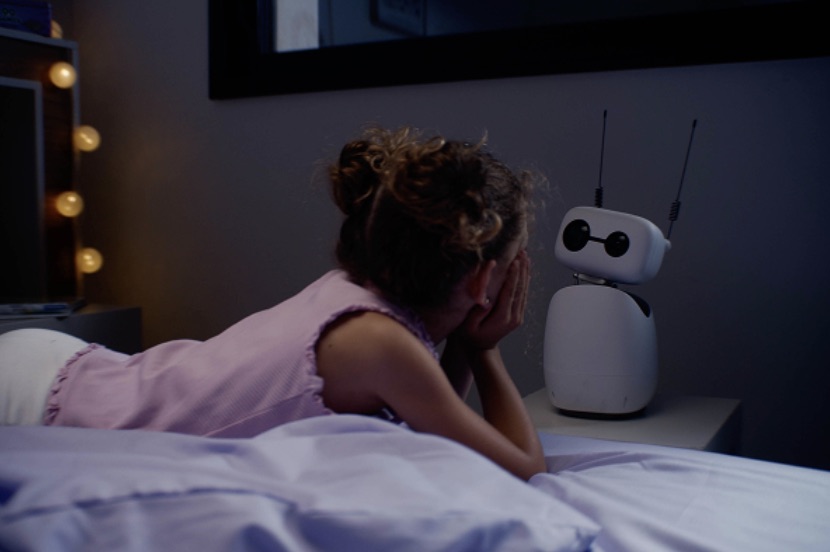
Pollen Robotics
Learn more

Why the best digital product might be one you barely use
Engagement doesn't equal impact. Value comes from solving the problem, not holding attention.
The European AI Act is in effect. Here's what actually matters.
It's not about checking boxes. It's about knowing what your AI actually does. Intro Text: Since August 2024, the AI Act is law in Europe. Most of what's been written about it reads like a compliance checklist. But the real question is simpler: do you know what your AI does, who it affects, and what happens when it's wrong?
Stay Future Ready
Join our newsletter.